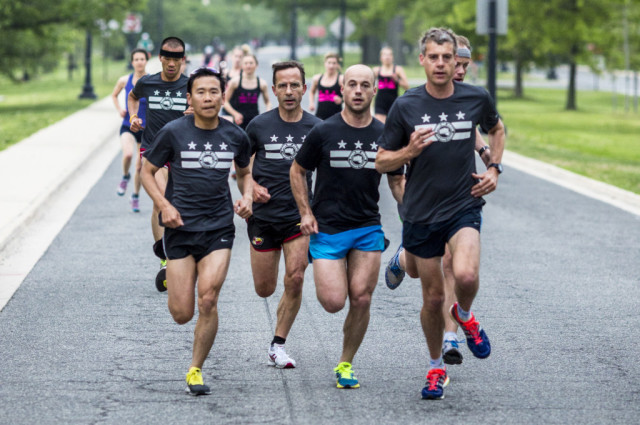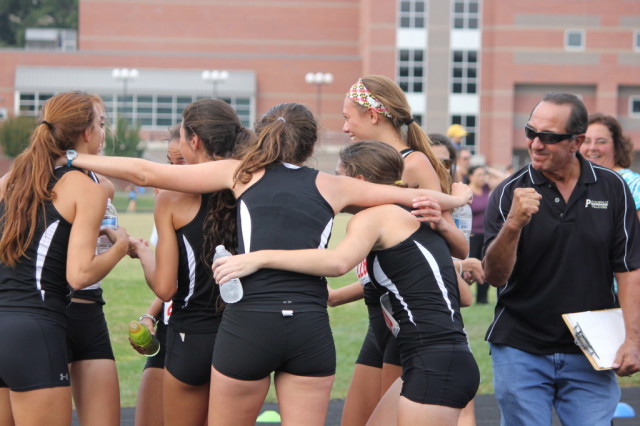
Dan Reeks believes in running. He knows what running did for him, and knows what running can do for others.

He started coaching in Montgomery County 43 years ago, during his early 20s. Back then he was a volunteer assistant for Paint Branch High School, and not necessarily volunteering by choice, either. Reeks, then a national-class runner, said he was concerned about an Amateur Athletic Union rule limiting how much money one could earn through coaching.


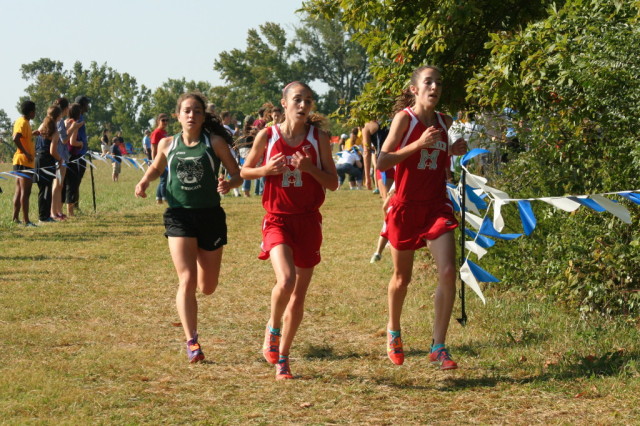
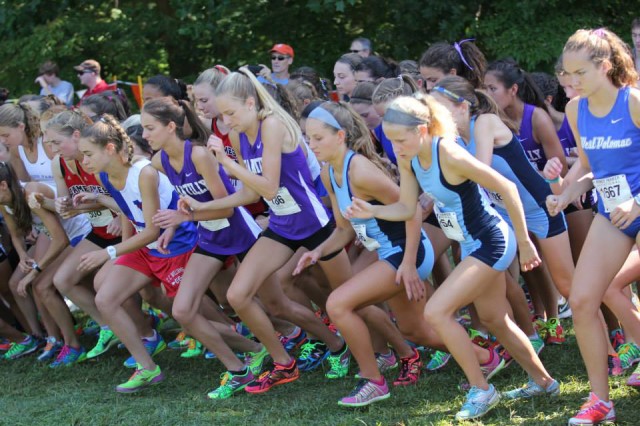
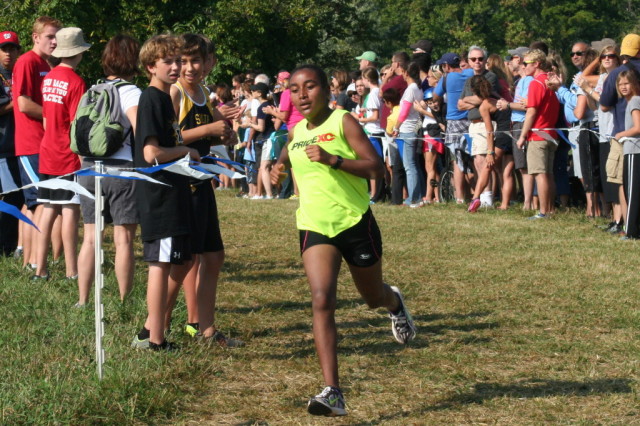
Adrenaline launches most kids through the first mile of a cross country race. Then reality catches up in the second mile, and when that’s compounded with a long sunny stretch and temperatures well into the 80s, the overly bold typically pay for their exuberance.

Unless they are Ryan McGorty.


Running a marathon isn’t that hard, is it? You dedicate yourself to training for a few months, build up mileage and aim for a good effort on race day. I mean, some four million Americans crossed a marathon finish line last year, right?

Finishing, however, is one thing, and running well is another. How do you know if you’re ready to do more than simply endure? How do you know if you’re prepared to give it your best effort and run the marathon of your life?


Throughout his 20 year career in the Army, Jeremy Rausa has learned how to deal with challenges. Multiple deployments – to Iraq, Korea, and Germany – meant he had to be away for long stretches from his daughter Adriana, now seven. A passion for running helped him stay fit, and he found it helped him integrate more easily into new communities as he transferred from place to place.

He has always felt a debt of gratitude for the Army and an obligation to give back to his fellow service members. He’s showing this gratitude in a big way in September when he sets out to run 185 miles in seven days (approximately 26 miles per day) along the C&O Canal Towpath to raise funds and awareness for wounded warriors, in a mission known as 185 for Heroes.


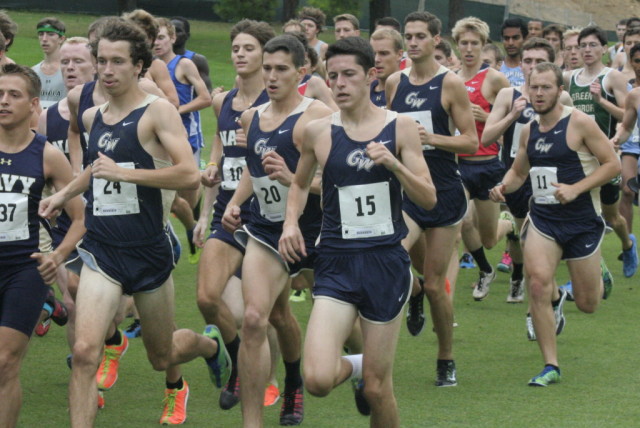
Simply put, last year was good for the D.C. area’s cross country runners. West Springfield’s Caroline Alcorta‘s third place was the best Footlocker Cross Country Championships race by a girl since Erin Keough won it all in 1986. Katy Kunc and Hannah Christen gave Lake Braddock two national championships qualifiers. Edison’s Louis Colson and Marshall’s Mackenzie Haight proved the 5A class’ depth by making it, and St. Albans’ Tai Dinger gave D.C. its first qualifier since Sidwell’s John McGowan.

But that was last year.


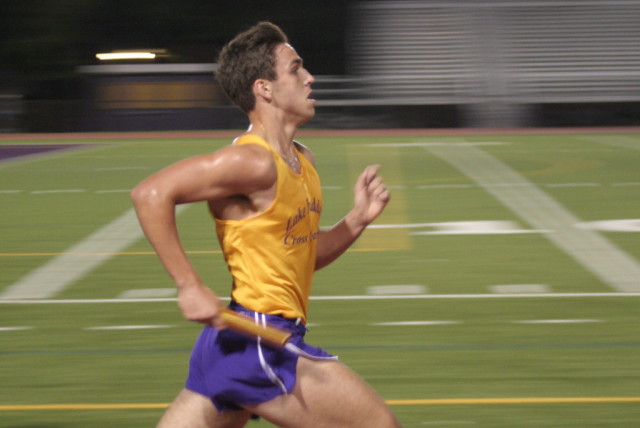
Lugging relay batons larger than their arms, three-year-olds careened around a set of cones in the high jump area at Chantilly High School’s track, their balance akimbo. Some hopped over baby hurdles, with one tiny girl dragging one along as she ran away, like a car that caught a branch underneath.

After “playing track” for a while at the Chantilly Youth Association track club, the expectation is that kids will learn the variety of events and develop some skills. But that’s as far as the expectations go.


For most people, running remains a hobby at the end of the practice, the end of the race, the end of the day.

Not for David Finland.


When most race registration websites encourage runners to sign up their particular event, Riley’s Rumble Half Marathon cautions participants.

“Don’t be seduced by the lush bucolic countryside of rural Montgomery County,” it said. “This race will challenge the best runners. If you want the 3 H’s (hills, heat, and humidity), this is the race for you.”


Late into the Napa Valley Marathon, Alana Miller was hurting. She typically starts out strong, but fades after 15 miles. Beside her, Ashley Vaughan delivered a steady stream of consciousness that kept her friend focused on the miles ahead.

“She came up with these ridiculous stories to tell me,” Miller said, “as if I don’t know everything about every moment of her life already.”


View More Stories