Everything is supposed to hurt during a marathon.
Right?



Everything is supposed to hurt during a marathon.
Right?
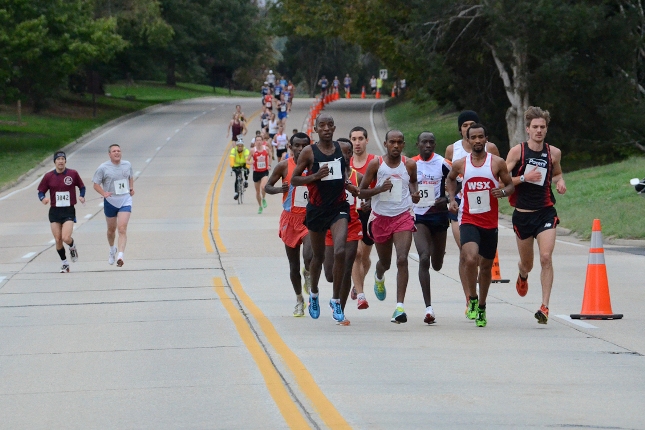
The federal government shutdown had been light on runners for two days, but Wednesday night saw a flurry of decisions that impacted weekend racing schedules, with the postponement of the Woodrow Wilson Bridge Half Marathon and the Run! Geek! Run! 8k. The Ragnar Relay will see a few legs altered, but the Army Ten-Miler and Marine Corps Marathon late this month claim they will not be affected, according to race officials who have not provided any details.
Though runners have largely had their run of National Park Service land since Tuesday morning, with vehicle traffic closed on Rock Creek Park’s Beach Drive and most of East Potomac Park’s Hains Point. The problem, however, is the provision in the shutdown the rescinds special events permits, necessary for holding races.

When Amanda Garzon was making preparations to host the third annual Hydrocephalus Association 5k Run/Walk on September 29, she knew that many of the runners participating would not have a first- hand knowledge, or even an awareness of the disease. Many would be standing on the starting line on the mild Saturday morning in late September mainly because they were searching for a local, flat, and fast 5k race to include in their competition schedule. At the same time, however, Garzon, the Co-Chair of the race and the Director of Media and Marketing for the Hydrocephalus Association (HA), hoped that by drawing local attention to the HA cause, she could raise awareness and build support for finding treatment and a cure for the disease.
Garzon knows all too well about the impact hydrocephalus can have on lives. Her 13-year old daughter, Gabriela, has suffered from the disease since she was a baby, and has had 15 brain surgeries. Hydrocephalus, a condition characterized by the buildup of fluid in the ventricles of the brain, afflicts over one million Americans. Anyone can get hydrocephalus, at any age, and there is no cure. The primary treatment is the implantation of a shunt in the brain, a surgery with a high failure rate requiring repeated revisions.
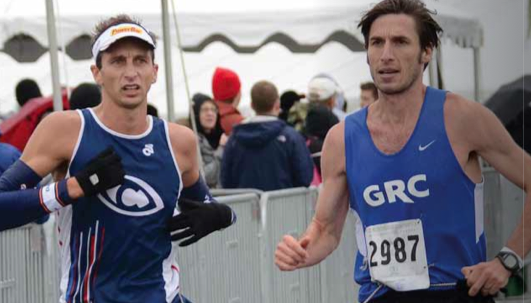
(The Woodrow Wilson Bridge Half Marathon will once again serve as the Visually Impaired Half Marathon Championships)
I don’t know how I want to write this.
For runners who missed out on general registration for the Marine Corps Marathon, the Charity Partners Program offers a chance to enter late and raise money for a good cause.
Marine Corps is unique among marathons because it does not require its participating charities to pay any kind of fees or premiums, meaning all money raised through the charity program running goes directly to the organizations. This year, 4,674 runners will raise money for 101 different 501 (c) (3) organizations, from the longstanding MCM team for Injured Marines Semper Fi Fund to the brand new to MCM Alergy & Asthma Network Mothers of Asthmatics team.
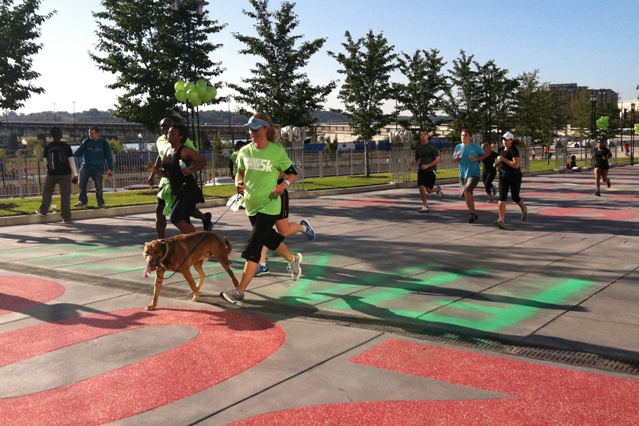
The message to participants in Sunday’s Prevent the Cancer Walk/Run 5K was simple: get healthy and get tested.
According to the American Cancer Society, Cancer is the second most common cause of death in the U.S. More than 1.6 million people will be diagnosed with cancer and approximately 500,000 will die from cancer in 2013. Further, the World Health Organization estimates that nearly one-third (30 percent) of all cancer cases can be attributed to unhealthy lifestyle choices such as tobacco use, poor diet, and physical inactivity.

It’s Saturday morning and the sun is just starting to rise over the Potomac, spreading its orange rays over the rowers out on the water. It’s quiet and cool. The roads are empty. Near Whitlows on Wilson in Arlington, though, a sleepy Saturday morning disappears – a timing clock counts down to the 5k start time.
It’s Clarendon Day; Every September, the community celebrates the unique flavor of the Clarendon neighborhood with a street fair, live music and children’s activities. The day kicks off with a pair of 5k and 10k races, both of which start in front of the Whitlows restaurant and finish near the Rosslyn metro station.
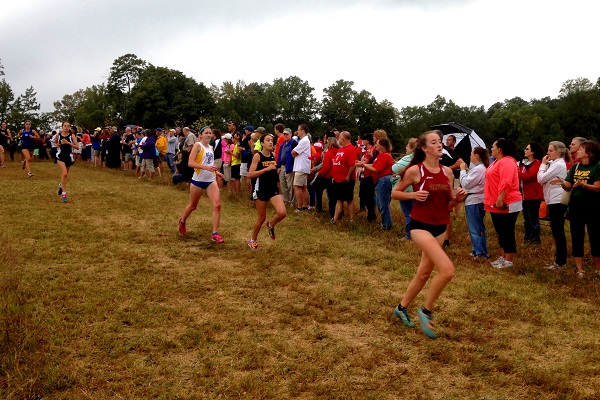
Cross country racing can be like living in a jungle, and nowhere is that more true than the Oatlands Invitational in Leesburg.
Along with the crowd of runners trying to get one foot in front of their competitors to make a slight but significant difference in team standings, those team races play out in several layers.

More than 100 runners’ feet hitting the ground on an open field toward wooded trails. Trudging up a hill, giving every last bit of effort with legs and shoes covered in mud. A strong storm just minutes away from plummeting the course; nobody paying it any mind. Team spirit filling the air as competitors burst into the finish chute and turn back around to cheer for their friends.
It may seem like a typical high school cross country race, but the racers were fathers and mothers with jobs and mortgages. They were finishing the Montgomery County Road Runners Club’s Running with the June Bugs, not a dual meet against a rival school.
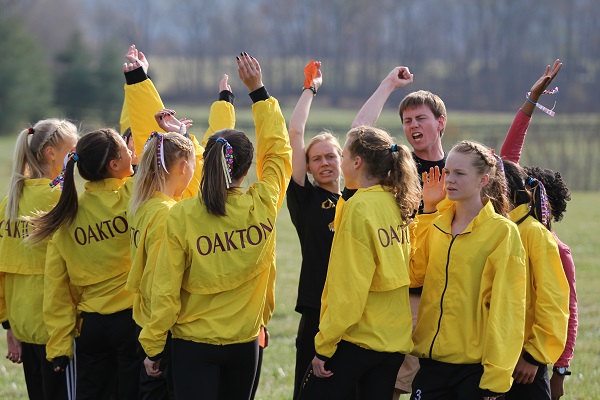
In the 1980s – before Internet forums – Langley High School’s Erin Keogh was the fastest high school distance runner in the country.
Now Erin Breitenbach, she recently did a Google search of her maiden name and said she found these “ridiculous things on some blog.”