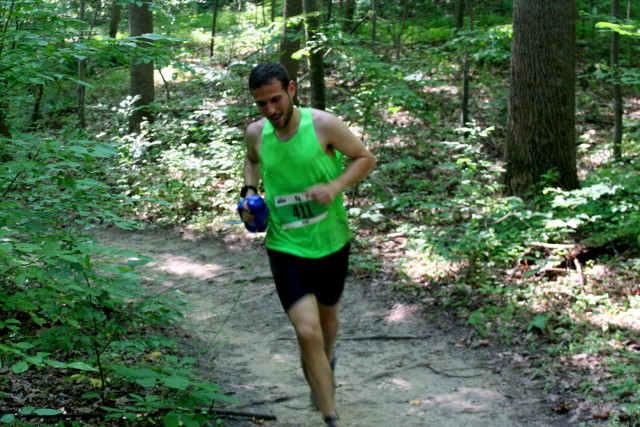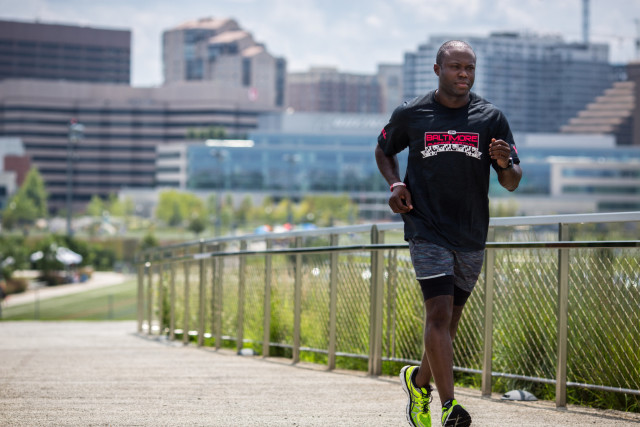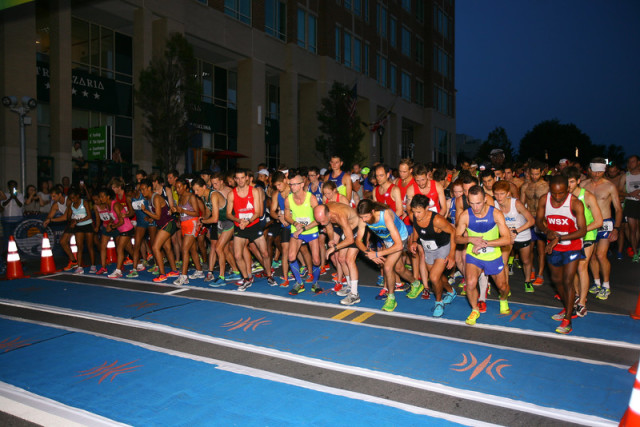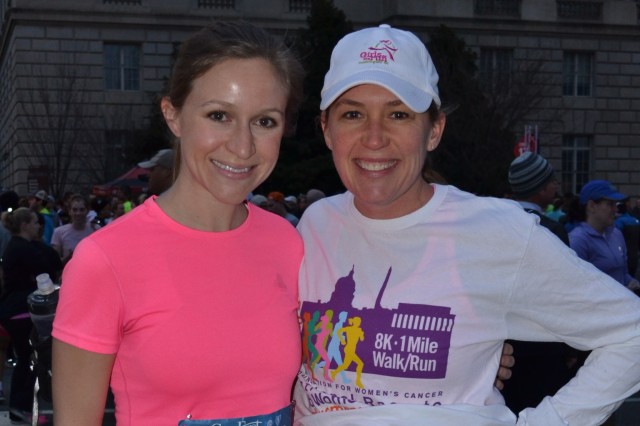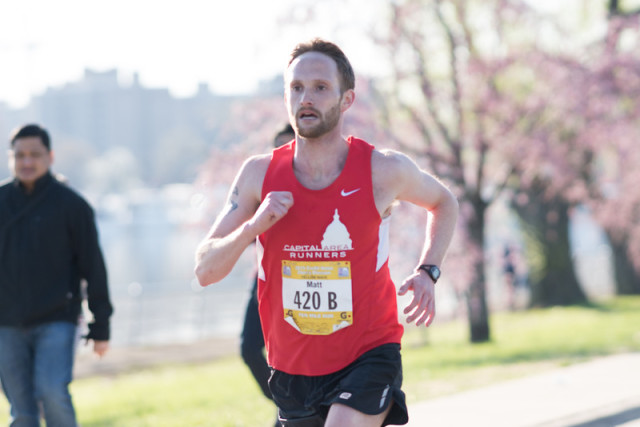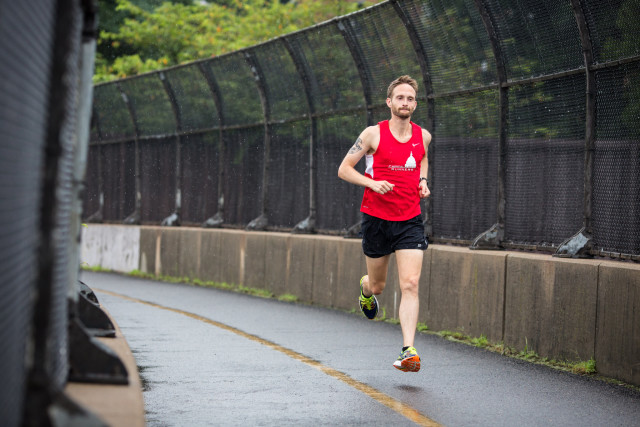
Okay my runners, joggers, ‘yoggers’ and you freaks who run 8-minute miles with a goddamn duallie stroller full of tiny human free-weights attached to your arms, let’s admit what we all know to be true: There are some pretty terrible places to run in this city. People talk about how D.C. was made for runners — gorgeous views of historic monuments, the smell of cherry blossoms and freedom in the air, the dream of running in the Marine Corps Marathon, whatever.

That is all well and good, but it paints an inaccurate picture of what running in this city actually is, which is sweat and misery. Because I am an idiot and will try to run anywhere, I have spent many miles and hours in a variety of inclement weather running around in D.C. and with a few exceptions, it has been fundamentally terrible. (Notably, this has not stopped me.)


Local runners won four events at the USATF Outdoor Nationals: TC Williams’ Noah Lyles in the 100m (10.14) and 200m (20.18), Lake Braddock’s Kate Murphy in the 1500m (4:16.98) and […]


When it comes to the Freedom Four, there’s only one rule: you must respect the hill. You have two miles to contemplate it on the way down, and a moment of reckoning when you turn back to face it. Did you burn yourself out on the downhill? Were you so cautious that you can’t make up the difference in the climb? The hill can make or break a race.

Now in its second year, the Freedom Four takes the out-and-back, down-and-up course of the Four Courts Four Miler and drops it in the middle of summer. Now they’ve combined a demanding course with unpredictable weather. The race could be unforgiving–this year, the weeks preceding it were unusually hot for June, and severe storms pummeled the region through Saturday. Fortunately, race day dawned clear and mild, with temperatures about 10 degrees cooler than they had been. A breeze blew often enough to be welcome as it provided relief from the baking sun.


Ryan Witters was a little rusty, but muscle memory took over and powered him to his fourth consecutive Father’s Day 8k title on the C&O Canal Towpath in Georgetown.

He captured the title in 26:20 — smoking his nearest competitor, Matthew Deters of Arlington, by a full 50 seconds. Although slower than last year’s first-place finish of 25:38, Witters was happy with his performance.


In the months leading up to 2015’s Fall marathons, RunWashington will follow several local runners as they prepare for their races. We’ll chart their progress as they train their legs, lungs and minds for the challenges they’ll race on race day. Each week, we’ll catch up with our runners and see how they’re doing. Reston’s Meghan Ridgley is the most experienced marathoner we are following, and reflecting on those experiences will help inform her training as she prepares for the Philadelphia Marathon.


In the months leading up to 2015’s Fall marathons, RunWashington will follow several local runners as they prepare for their races. We’ll chart their progress as they train their legs, lungs and minds for the challenges they’ll race on race day. Each week, we’ll catch up with our runners and see how they’re doing. This week, say hello to Joe Divel of Rockville, Md., who is taking his second shot at the Marine Corps Marathon.


In the months leading up to 2015’s Fall marathons, RunWashington will follow several local runners as they prepare for their races. We’ll chart their progress as they train their legs, lungs and minds for the challenges they’ll race on race day. Each week, we’ll catch up with our runners and see how they’re doing. First up is Burtonsville, Md.’s William Etti.

Calling William Etti’s return to running a comeback is just the beginning.


Despite closing the books on the hottest May on record, local meteorologist Alex Liggitt doesn’t think the rest of the summer will be as far out of line.

Liggitt, a meteorologist for ABC 7 who moonlights as the Running Weatherman, said that although May 2015 was the hottest since 1871, with 20 days with high temperatures above 80 and seven days above 90, he didn’t expect the rest of the summer to deviate as far from historical averages.


View More Stories