A lot of hardworking journalists put together RunWashington, all on top of their full-time jobs. Meet a few of them, learn a little bit about their personalities and read some of their best work.
|
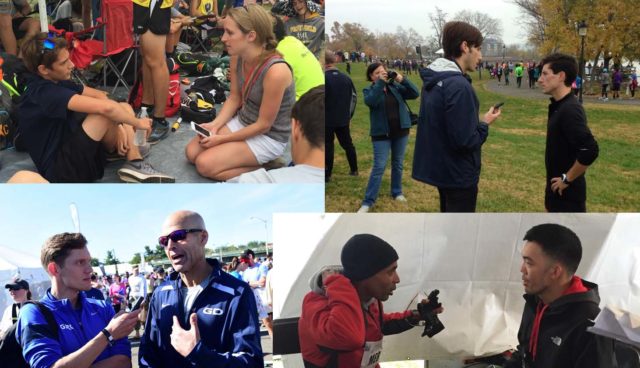


A lot of hardworking journalists put together RunWashington, all on top of their full-time jobs. Meet a few of them, learn a little bit about their personalities and read some of their best work.

Hertiage alumna, Quince Orchard alumnus and GW freshman take up honors for collegiate cross country performances.

She already went through the trouble of doing the training. Coming to the meet. Warming up.
As long as she’s there, Elise Abbe might as well run really, really hard.
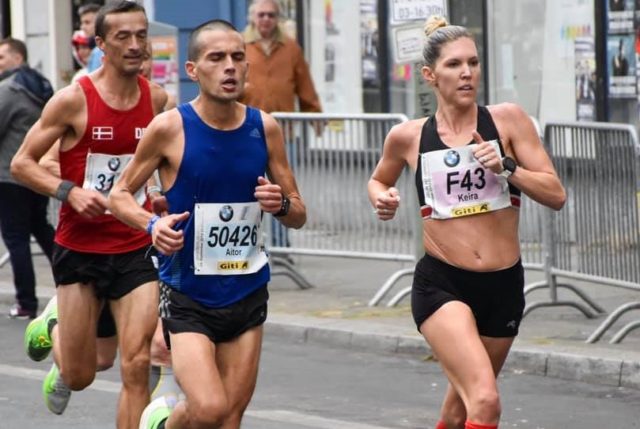
Keira D’Amato finishes as fifth American at Berlin, local 800 meter runners compete in world championships 800 meters, college cross country winners take home weekly honors.

There’s apparently a second layer to astrology that goes beyond newspaper horoscopes. According to my coworker, what time of day you were born adds a tint of good or bad fortune. For runners at the DCXC Invitational, what time of day they started their race made all the difference.
That’s because cloud cover alternated from race to race, providing much-needed relief from heat that reached the upper 80s throughout the afternoon, while also surprising some runners when they got on the starting line, thinking the hot part of the day was behind them. Those varying conditions just hammered home that the races, divided among graduating class, existed separately of each other. The format also gives runners a chance to race against their peers only, offering each class a chance in the spotlight. That did some favors for the seniors, whose races had the most comfortable temperatures irrespective of cloud cover.
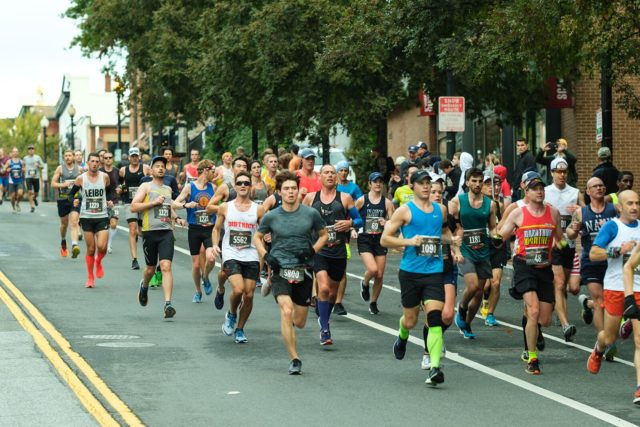
The inaugural MCM50K was going to be Melisa Augusto’s first ultramarathon and her ticket into the MCM Runners Club.
But Augusto, who is 36 and lives in Washington, suffered a hamstring injury in the spring, which led her to see numerous medical professionals before she found the right fit in a doctor. In a previous marathon, she had a tough time with the mental aspect, she said, and she wanted this experience to be a good one.
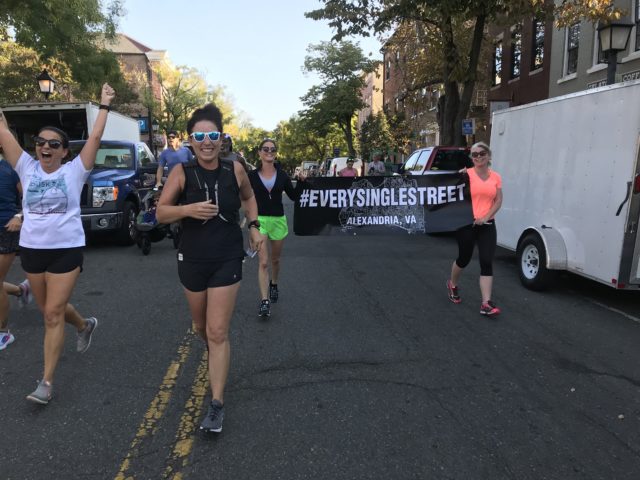
If you happened to be at the Old Town Farmers’ Market or one of the first to be strolling down King Street at the annual art festival last Saturday, you may have seen a small, spirited group celebrating a milestone occasion unbeknown to anyone but them.
Stephanie Lasure, the Alexandria woman who earlier this year set out to run every single street in the City of Alexandria, ran the last mile in the 330-mile journey that has taken her through every inch of the place she calls home.

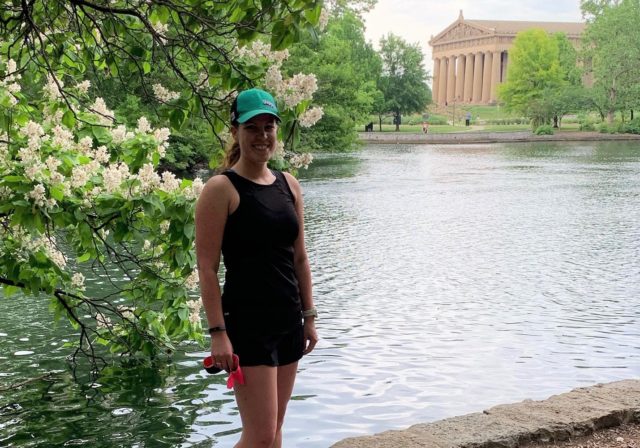
Name: Kaitlynn Glover
Self-described age group: F 25-29
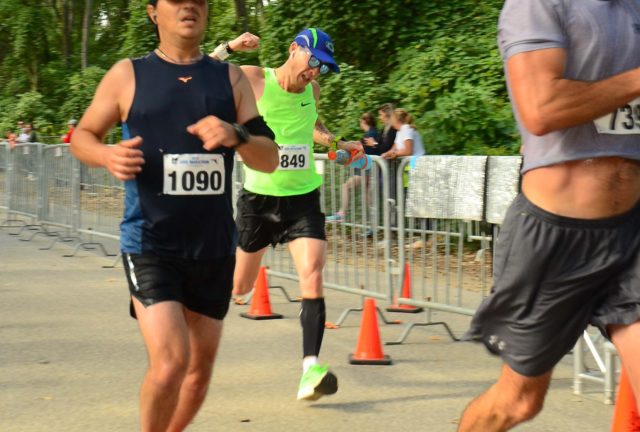
Conroy Zien dropped everything he was carrying when he spotted his wife, Glenda Garcia, outside the finisher’s chute at the Erie Marathon earlier this month and began to cry. Garcia figured the worst. Not again, she thought.
“I got really sad,” she said. “Like, how do we recover from this? I’m already thinking about how I can help him get over this.”