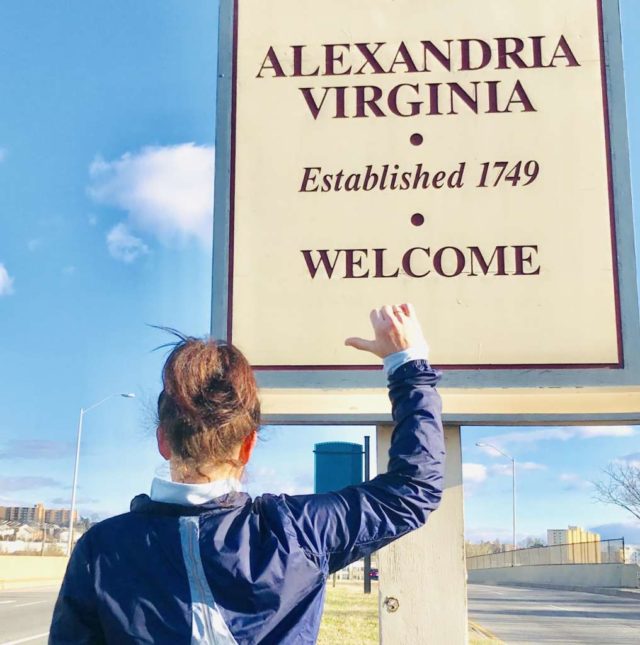
For the last 19 weeks, Stephanie Lasure has been running every street in the City of Alexandria. She is weaving her way through every nook and cranny — down every block in Old Town, around every cul-de-sac in Seminary Hill and up every ascent in Rosemont.

Over 151,000 residents call the City of Alexandria home, nestling themselves into an area that’s only a little over 15 square miles. But as Lasure has slowly checked street after street off her list, she’s logged nearly 240 miles –and she’s not done yet.
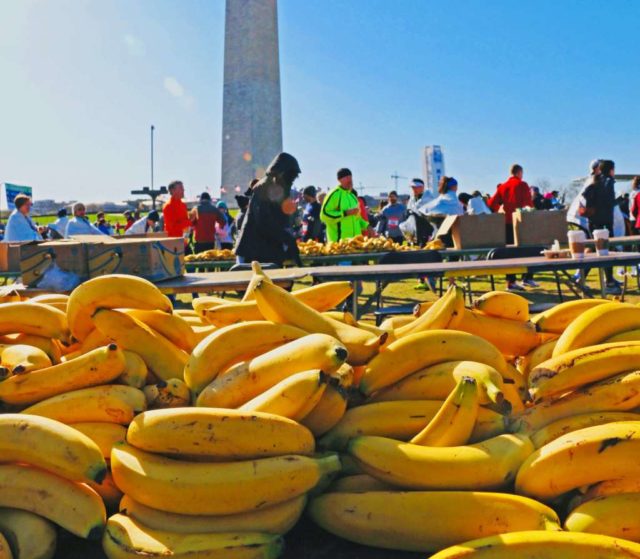
At last year’s Credit Union Cherry Blossom races, thousands of runners crossed the finish line in either the event’s 10 mile or 5K events on a chilly April day. Upon finishing, runners were offered a heat sheet — a mylar blanket that provides a small source of warmth. So when runners are ready to toss the blankets and head home, then what? The race’s sustainability team had a plan to make sure there was an eco-friendly option.

Instead of letting the nearly 20,000 blankets end up on the trash, and eventually a landfill or incinerator, there were specific collection points on race day where runners could ditch their heat sheets.


You may not know their names, but you probably know their brands.

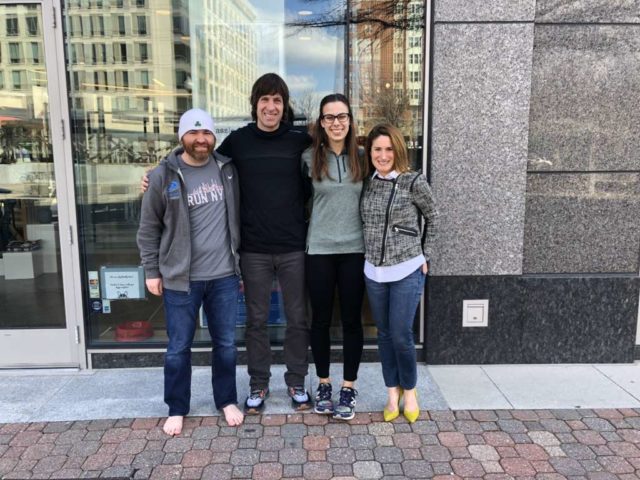
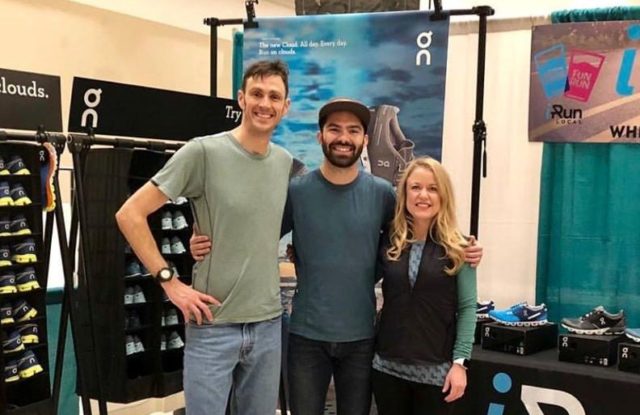
If you’ve been to a race expo, attended a brand-sponsored event, or even participated in a fun run at your local running store, odds are you’ve encountered a footwear brand representative. They are the hidden people behind your favorite running shoe brands, working across the region to make sure their brand and products are properly celebrated and understood.


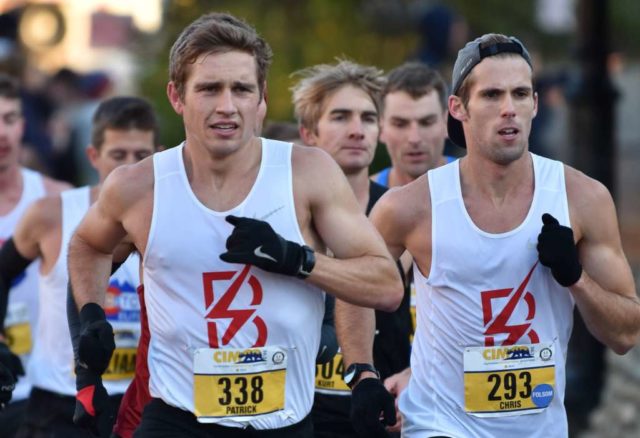
Less than a week ago, Patrick Reaves was on the starting line – and on the list of “Olympic hopefuls” – for an eight-mile race in Atlanta. This was a special event held to preview the course for the U.S. Olympic Marathon Trials, now less than a year away.


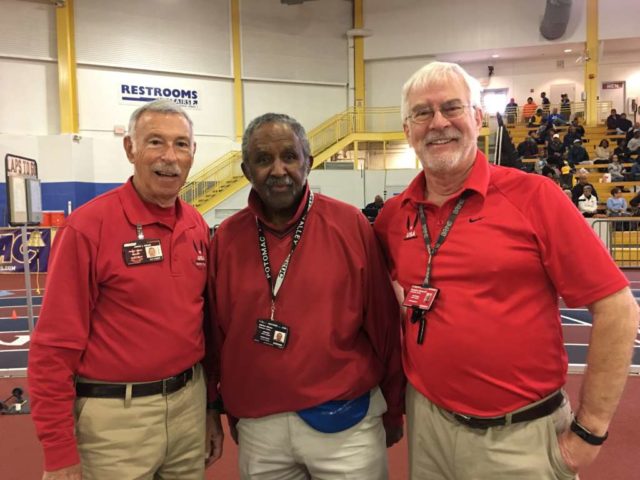
In 1967, college student Doug Edwards fired the gun to start a race at a track meet for the first time.

“My track coach at the time handed me a gun… and a box of shells and said you can earn $5 starting a track meet down at the local high school,” Edwards said. “And I thought that was like dying and going to heaven. And so I did. And it just sort of always stuck with me.”


A lot can go wrong with race pacing. Going out too fast could lead to an almost-certain wall-hitting, crash-and-burn scenario. Going out too slow could lead to a goal finish time slipping out of grasp. Pacing correctly can seem like a perfect science — and luckily there are some runners who work to master it and lead others to reach their goals.

Many pace group leaders around the region work hard to put other runners’ needs before their own and see that participants are set up for success.


The real story starts years ago.  But the immediate story begins in 2016, when I finally put together a season of consistent training after years of battling injuries.  Much to my surprise, I ran 2:49:21 in the 2016 Chicago Marathon, and felt great doing it. I spent a day enjoying the accomplishment, and then began to wonder if I could go faster.  What else could I achieve? I felt a fire within me.


View More Stories